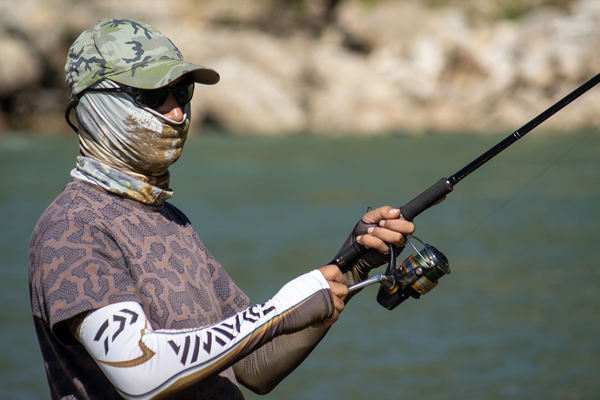
Sustainable Fishing Practices in Nepal
Fishing is not only a popular recreational activity in Nepal but also an important source of livelihood for many communities. However, overfishing, pollution, and habitat degradation pose significant threats to the country’s aquatic ecosystems. Adopting sustainable fishing practices is essential to ensure that Nepal’s rivers and lakes remain healthy and productive for generations to come.
Key Sustainable Fishing Practices in Nepal:
Catch and Release: Encouraging anglers to release fish back into rivers and lakes helps maintain fish populations and preserves biodiversity. This practice is particularly important for endangered species like the golden mahseer.
Regulated Fishing Seasons: Observing seasonal restrictions allows fish to breed and grow, preventing overfishing during critical spawning periods.
Use of Eco-Friendly Gear: Avoiding harmful fishing methods such as chemical poisoning, dynamite, or gill nets helps protect aquatic habitats and non-target species.
Waste Management: Proper disposal of fishing-related waste, including lines, hooks, and packaging, prevents pollution in rivers and lakes. Community Awareness: Educating local communities and anglers about sustainable practices fosters a culture of conservation and responsible fishing.
By following these practices, both recreational and commercial fishers can contribute to preserving Nepal’s rich aquatic biodiversity. Sustainable fishing not only ensures long-term fish availability but also protects the natural beauty and ecological balance of Nepal’s rivers and lakes.
Leave A Comment